 English
 Español
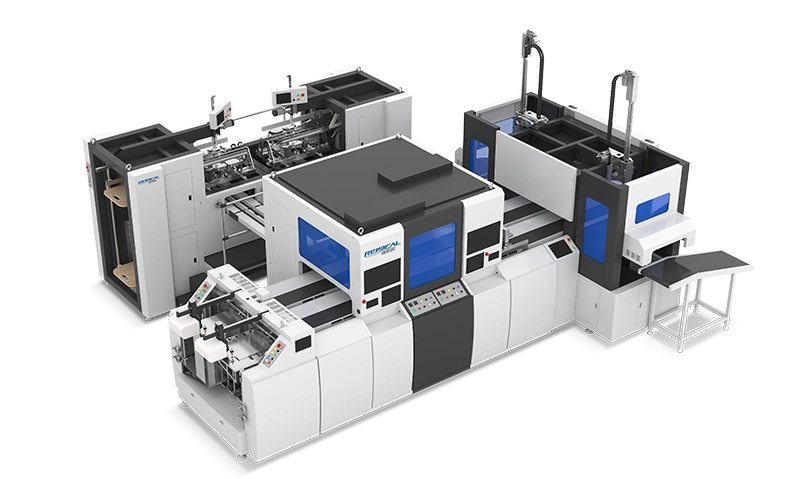
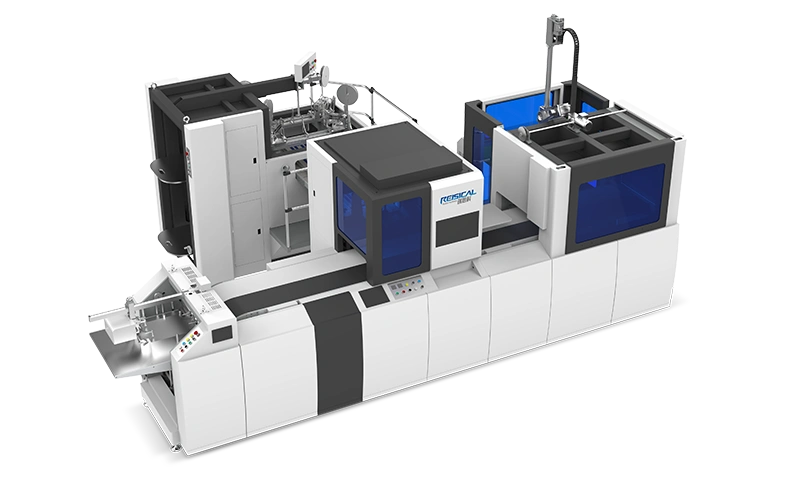
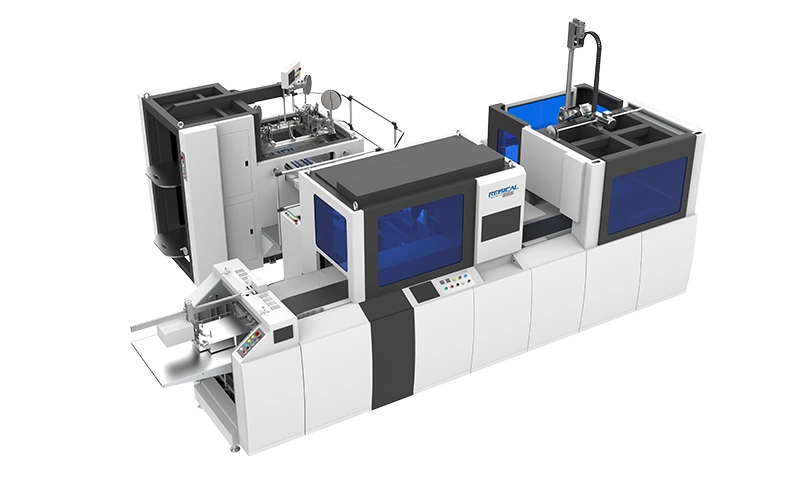
For packaging plant managers and production supervisors aiming to scale rigid box output without sacrificing finished product precision, picking reliable forming equipment directly shapes daily throughput, labor expenses, and product consistency. A qualified High-Speed Case Maker balances steady operational velocity, adaptive structural design, and long-term maintenance simplicity, three core demands that 68% of packaging manufacturers list as top procurement priorities per 2025 global packaging machinery industry reports. Many buyers rush to prioritize only surface speed data yet overlook hidden bottlenecks like line compatibility and material adaptability, which often lead to costly post-purchase adjustments and unplanned downtime. This guide breaks down practical, field-tested selection criteria to help you avoid common procurement pitfalls and match machinery to your unique production scenarios.
Match Machine Output to Actual Production Scale
Production volume gaps remain one of the most overlooked pain points in packaging machinery investment. low-volume rigid packaging workshops and large-scale mass production factories hold entirely different velocity requirements, and blindly pursuing excessive operational speed will only waste energy and increase unnecessary wear. Entry-level forming gear typically delivers 10 to 15 finished units per minute, suiting small-batch customized orders for boutique gift boxes or limited-run cosmetic packaging. Mid-range automated units strike a balance at 20 to 30 units per minute, fitting mid-sized manufacturers with mixed order cycles and fluctuating daily output demands.
What truly matters beyond nominal speed is sustained continuous running capacity. Some budget-focused devices mark high peak speed but struggle with stable operation during 10+ hour nonstop shifts, triggering frequent jams or positioning errors. I’ve observed multiple mid-sized packaging factories cut daily effective output by nearly 20% simply due to unstable machinery that cannot maintain consistent performance during peak working hours. To avoid this, verify real operational test data rather than just manufacturer parameter sheets.
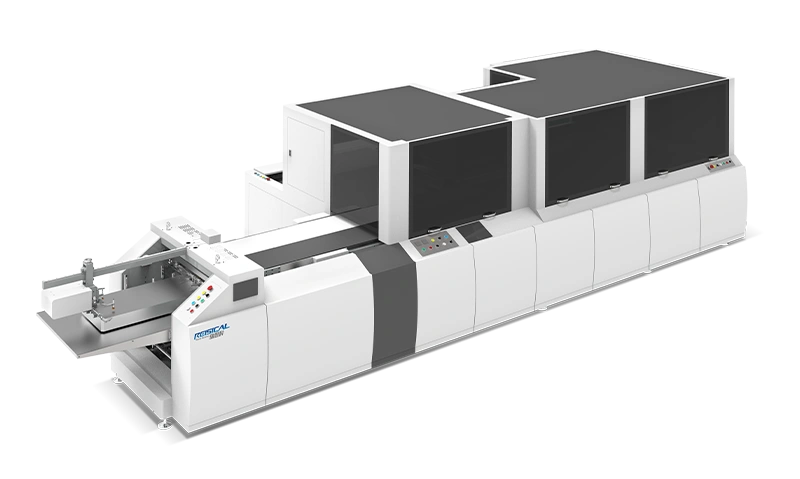
For enterprises planning capacity expansion in the next two to three years, reserving performance margin is essential. You can check detailed operational parameters to view continuous running test reports and long-term stability data that reflect real working conditions.
Evaluate Material Compatibility and Structural Flexibility
Modern consumer packaging trends lean toward diversified materials, from thin coated paper and textured specialty boards to thick composite cardboard for high-end electronic product outer casings. Your selected forming device must adapt to varying material thicknesses and surface textures without compromising folding accuracy or adhesive uniformity. Poor material compatibility directly causes common defects like corner warping, glue overflow, and surface wrinkling, which raise product rejection rates and damage brand packaging quality standards.
quick size changeover design has become a non-negotiable feature for modern flexible production lines. Most mid-to-high-end packaging brands launch seasonal product lines with adjusted box dimensions, requiring machinery to complete specification switching within 30 minutes or less. Outdated traditional forming devices need manual disassembly and repeated parameter calibration, taking hours to adjust and halting entire production lines. Premium models adopt servo positioning and modular molds, allowing operators to store multiple size formulas for one-click switching.
RSK’s in-depth research on personalized packaging demands has driven iterative upgrades to adjustable structures. The brand’s equipment retains strong tolerance for irregular special-shaped boxes while ensuring standard rigid box production efficiency, perfectly fitting mixed-mode production scenarios common in today’s packaging industry.
Assess Automation Grade and Labor Cost Control
Automation grade determines labor reliance and overall production line efficiency, creating clear tiered differences in actual factory applications. Semi-automated forming gear retains manual intervention steps such as manual paper placement and auxiliary positioning, with lower upfront costs but higher long-term labor dependence. This option fits small workshops with limited capital budgets and stable single-specification orders.
Fully integrated automated forming systems realize full-process closed-loop operation from raw material feeding, precise gluing, edge folding, and corner bonding to finished product stacking. Per industry cost analysis data, fully automated packaging machinery can cut manual labor input by 42% on average and reduce human error-induced defective products by over 35%. For factories facing rising labor costs and tight recruitment pressure, upgrading integrated automation is a tangible long-term cost-saving measure.
intelligent servo control systems serve as the core support for high-level automation. They realize real-time monitoring of each operating node, automatic fault early warning, and remote parameter adjustment, greatly lowering the technical threshold for equipment operation and daily maintenance. Even front-line operators with limited professional training can master daily operation and simple troubleshooting in a short time.
If you want to further understand how intelligent configuration optimizes labor allocation, you can explore automated configuration cases to learn about matching solutions for different automation demands.
Compare Post-Sales Maintenance and Long-Term Operational Costs
Many buyers focus solely on initial purchase prices while ignoring hidden long-term operational expenses, including wearing part replacement, daily energy consumption, and after-sales service response efficiency. Excellent packaging machinery balances durable structural materials and standardized part design, ensuring easy access to replacement components and low daily maintenance difficulty.
Energy consumption differences cannot be ignored either. Old-fashioned mechanical transmission equipment has high power consumption during continuous operation, while new-generation energy-saving models optimize transmission structures and motor matching, reducing unit energy consumption by roughly 28% according to industry energy consumption comparison data. For factories running double shifts year-round, such energy-saving advantages translate into substantial annual cost savings.
Timely after-sales support is critical to minimizing production halt risks. Mature machinery brands provide localized technical guidance, remote fault diagnosis, and regular maintenance reminders. RSK has built a global service network, offering multilingual technical support and customized maintenance plans for overseas clients, solving cross-border after-sales pain points that trouble many packaging enterprises.
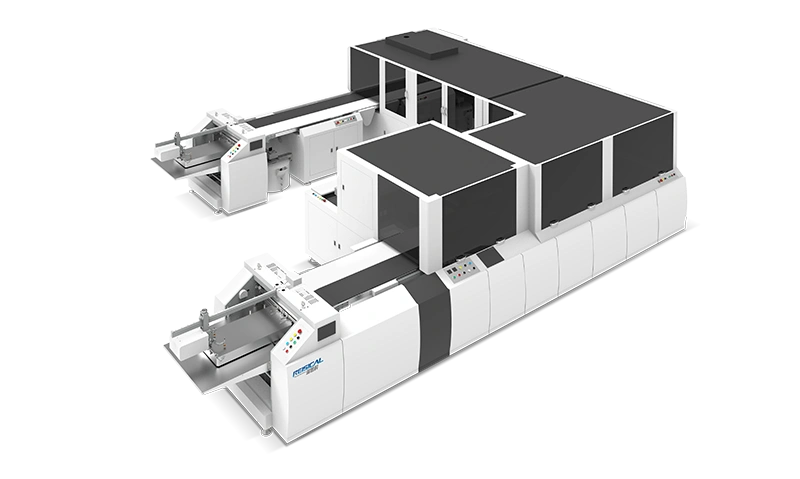
Core Equipment Comparison: Differentiate Traditional Molds from Advanced Forming Solutions
When sorting out mainstream box forming solutions on the market, three categories have obvious application boundary differences: semi-manual folding tools, ordinary fully automatic forming machines, and advanced High-Speed Case Maker solutions. Traditional semi-manual tools have the lowest entry cost but are limited by manual speed, only suitable for ultra-small-batch trial production with no scale expansion potential. Ordinary fully automatic equipment meets basic mass production needs but shows weaknesses in material adaptability, size adjustment efficiency, and continuous operational stability.
In contrast, the advanced solution focuses on high-efficiency stable output and flexible customized production, becoming the preferred choice for medium and large packaging enterprises with mixed orders and high-quality requirements. It integrates high-precision visual positioning, constant-temperature glue application systems, and anti-jam structural design, solving multiple pain points of traditional equipment in complex production scenarios. In actual horizontal comparison tests, this advanced solution maintains stable yield above 99.2% under long-duration mixed material production, far exceeding the average level of ordinary fully automatic equipment.
Customized service capability is another key differentiation advantage. Standardized machinery cannot meet personalized demands such as special-shaped box structures, environmental protection glue adaptation, and dust-free workshop transformation. RSK supports one-stop personalized modification, adapting equipment to clean workshop production standards and special craft requirements, fully fitting the differentiated packaging upgrade needs of cosmetic, luxury goods, and electronic industries.
Final Selection Logic: Align Equipment with Long-Term Brand Development
Packaging machinery is a long-term fixed asset investment, with a service life usually reaching 8 to 12 years. Short-term cost savings will often restrict later production upgrades and brand development. The most reasonable selection logic is to take current order characteristics as the foundation, combine 3 to 5 years of capacity planning, and balance speed, flexibility, automation, and after-sales service.
Never overbuy redundant functions nor blindly settle for low-cost outdated configurations. Focus on core indicators including stable operating efficiency, material compatibility, quick changeover efficiency, and maintenance convenience, and verify equipment performance through real production cases and industry authoritative test data. A properly matched box forming device will not only optimize current production efficiency but also build solid hardware support for packaging upgrading and market expansion.
For enterprises ready to complete equipment iteration and upgrade high-efficiency forming capacity, comprehensive understanding of product performance and application scenarios is essential. You can view full product specifications to obtain detailed parameter lists and on-site operation videos.